




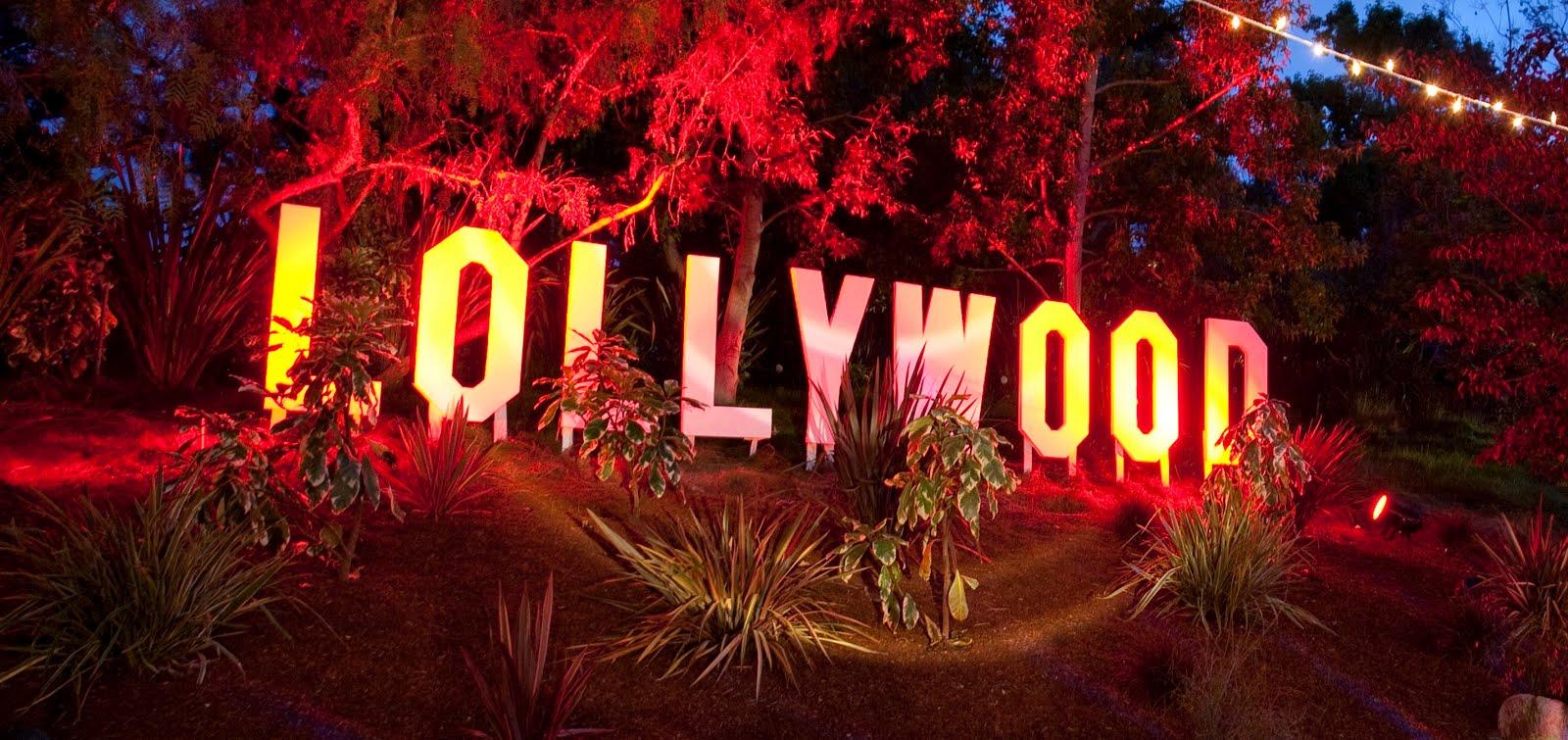
For many decades, Pakistan’s film industry — famously known as Lollywood — struggled through ups and downs. From its golden age in the 1960s and 70s to its decline in the 1990s and 2000s, the industry saw both massive fame and near-collapse.
But today, a new wave of talent, technology, and storytelling has brought Pakistani cinema back to life!
This is the inspiring story of how Lollywood made a grand comeback and became one of South Asia’s fastest-growing entertainment industries.
A Brief History of Lollywood.
Lollywood — a blend of “Lahore” and “Hollywood” — started in Lahore, Pakistan, soon after independence in 1947.
During the 1960s and 70s, it produced dozens of super-hit films every year. Legendary actors like Waheed Murad, Nadeem Baig, Zeba, and Shabnam ruled the silver screen.
Golden Era Highlights:
- Romantic and musical blockbusters
- Evergreen songs and powerful dialogues
- Cinema halls packed across the nation
However, the 1980s and 1990s brought challenges — lack of funding, low-quality productions, and piracy — leading to a sharp decline in the industry.
The Fall and the Pause.
In the early 2000s, Pakistani cinema nearly disappeared. Many theaters shut down, and audiences turned to Indian and Hollywood movies.
The reasons included:
- Weak storytelling and direction
- Poor production quality
- Political instability and censorship
- Lack of investment in film education
But as they say — every downfall leads to a new beginning.
The Revival: A New Era of Pakistani Cinema.
The rebirth began in the mid-2010s, with young filmmakers, modern technology, and bold storytelling leading the charge.
Some of the key milestones that shaped the revival include:
Fresh Filmmakers and Creative Freedom.
A new generation of directors — like Nabeel Qureshi, Bilal Lashari, Shoaib Mansoor, and Sarmad Khoosat — brought cinematic quality back to Pakistan.
They combined social themes with high-quality visuals and storytelling.
Examples:
- Khuda Kay Liye (2007) – Broke stereotypes & redefined modern Pakistani cinema.
- Bol (2011) – A social drama that created global awareness.
- Waar (2013) – A patriotic action blockbuster with international-level cinematography.
Technological Advancement.
Modern cameras, sound design, and digital editing completely changed film quality.
Pakistan’s film industry started matching international production standards, giving audiences a reason to return to theaters.
Revival of Cinema Culture.
New multiplexes and cinemas opened in cities like Karachi, Lahore, and Islamabad.
People once again started enjoying family outings at theaters — something that was rare for nearly two decades!
Rise of Music & Media Integration.
Pakistani cinema got a massive boost from platforms like Coke Studio and Pepsi Battle of the Bands, which revived the love for local music.
Songs from movies started trending again — blending traditional and modern sounds.
International Recognition & Film Festivals.
Pakistani movies began appearing in Cannes, Toronto, and Dubai Film Festivals.
Films like Joyland (2022), Cake (2018), and Laal Kabootar (2019) received global praise for storytelling and direction.
Emerging Talents & New Faces.
The revival also introduced fresh actors and actresses who became the new face of Pakistani cinema:
- Mahira Khan – The nation’s sweetheart, known globally.
- Fawad Khan – Represented Pakistan in Bollywood & international projects.
- Sajal Aly, Bilal Ashraf, Mehwish Hayat, Humayun Saeed – Popular modern film icons.
Their strong performances and versatility have helped Lollywood connect with younger audiences.
Digital Platforms & OTT Revolution.
With platforms like Tamasha, UrduFlix, and YouTube Originals, Pakistani cinema is expanding into the digital OTT world.
This shift allows filmmakers to experiment with web series and documentaries — reaching audiences beyond borders.
The Future of Pakistani Cinema (2025 & Beyond).
The future looks bright for Lollywood!
As the government and private investors focus on promoting film schools, festivals, and production houses, the country’s entertainment industry is entering a global spotlight.
Predictions for 2025–2030:
- More international co-productions
- Global streaming deals
- Diverse stories representing real Pakistan
- Increase in box office revenue and film exports