




Cinema is more than just entertainment — it’s the mirror of human imagination, emotion, and technology. Over the last century, movies have evolved from black-and-white silent reels to AI-powered masterpieces that blur the line between real and digital worlds.
In this article, we’ll take you on a fascinating journey through the history of cinema, exploring how storytelling, visuals, and technology have transformed the film industry from the early 1900s to 2025.
The Birth of Cinema (1890s – 1920s): The Silent Era.
The story of cinema began in the late 19th century when pioneers like Thomas Edison, Lumière Brothers, and Georges Méliès created the first moving pictures.
These films had no sound, no color, and often lasted only a few minutes.
Audiences were mesmerized by the simple magic of motion.
Music was played live in theaters to add emotions to silent scenes.
Famous silent-era legends like Charlie Chaplin, Buster Keaton, and Mary Pickford turned cinema into a global art form.
Example: The Great Train Robbery (1903) and The Kid (1921) became milestones in early film storytelling.
The Sound Revolution (1927 – 1940s).
The arrival of sound changed everything!
In 1927, The Jazz Singer became the first “talkie” film, marking the end of the silent era.
Audiences could finally hear actors speak, and filmmakers could use music, dialogue, and sound effects to make scenes more realistic.
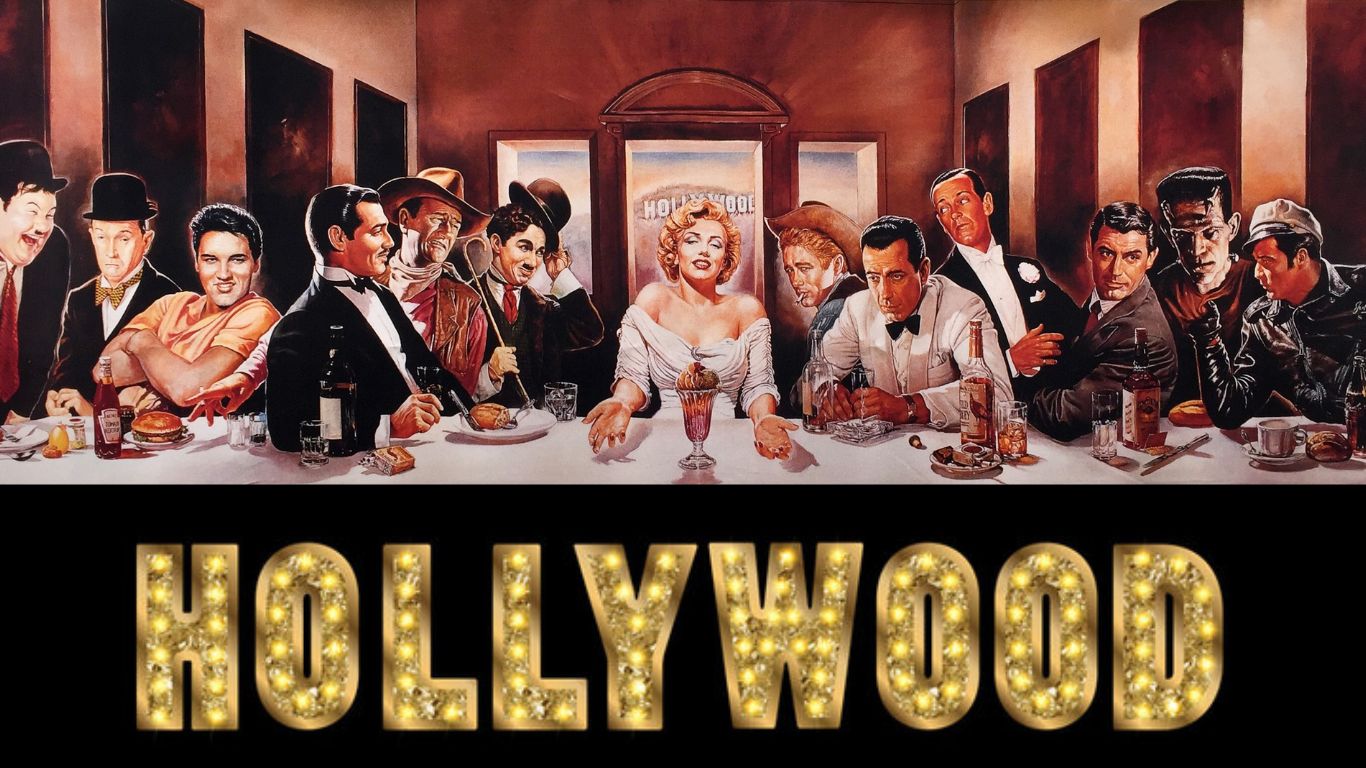
Hollywood’s “Golden Age” began — filled with musicals, romance, and dramatic storytelling.
Famous Stars: Clark Gable, Judy Garland, and Humphrey Bogart
Famous Films: Gone with the Wind (1939), Casablanca (1942)
The Color Explosion (1950s – 1960s).
Color brought life and emotion to storytelling!
The introduction of Technicolor technology transformed the film experience — making scenes vibrant and visually rich.
Audiences could now feel the warmth of sunsets, glow of costumes, and depth of emotions like never before.
Iconic Films: The Wizard of Oz (1939), Ben-Hur (1959), Lawrence of Arabia (1962)
This era also gave rise to Hollywood glamour, epic dramas, and musical masterpieces.
The Age of Blockbusters (1970s – 1990s).
The 1970s marked the rise of blockbuster cinema — high-budget films with thrilling stories and mass appeal.
Directors like Steven Spielberg and George Lucas changed Hollywood forever.
Jaws (1975) and Star Wars (1977) created the concept of “summer blockbusters.”
Meanwhile, computer-generated imagery (CGI) began revolutionizing film visuals.
Movies like Jurassic Park (1993) and Terminator 2 (1991) showcased what technology could do.
This era also saw the birth of franchises like Indiana Jones, Batman, and The Matrix.
The Digital and CGI Revolution (2000s – 2010s).
The 2000s brought a new era — digital filmmaking replaced traditional film reels.
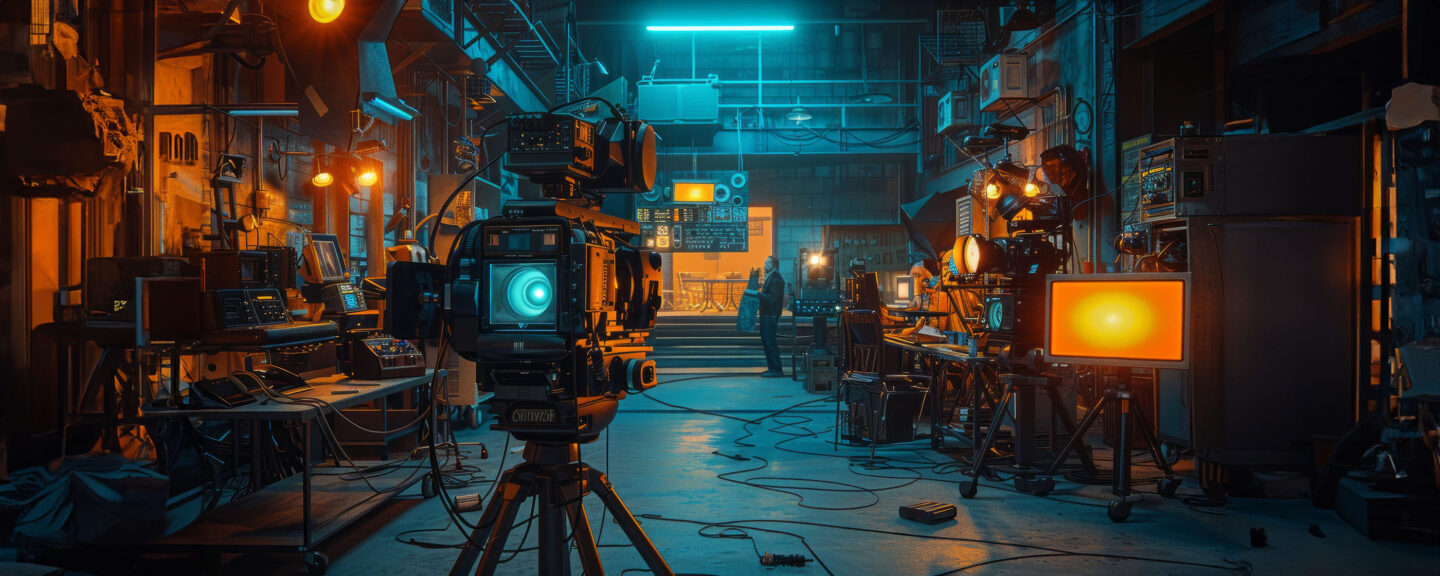
Directors now used visual effects (VFX), motion capture, and green screens to create cinematic magic.
Avatar (2009) became a turning point — introducing 3D filmmaking and immersive storytelling.
Animated movies like Toy Story and Finding Nemo also defined digital creativity.
At the same time, streaming services like Netflix and Amazon Prime began transforming how people watched movies.
The AI and Virtual Reality Era (2020 – 2025).
Welcome to the future of cinema!
Artificial Intelligence (AI), Virtual Reality (VR), and Augmented Reality (AR) are now shaping how films are created and experienced.
AI in Filmmaking.
- AI helps in scriptwriting, editing, dubbing, and even generating realistic characters.
- Deepfake and AI-generated actors can now perform scenes without real humans.
VR & Immersive Cinema:
- Viewers can “enter” movies through VR headsets.
- Interactive films let audiences choose how the story ends.
Example: The Matrix Resurrections and Ready Player One inspired the fusion of real and virtual worlds.
AI tools are also helping independent filmmakers create blockbuster-quality visuals at a fraction of the cost — making filmmaking more accessible than ever before.
The Future – Where Is Cinema Going Next.
By 2030, we might see:
- Fully AI-generated films with lifelike digital actors.
- 360° immersive theaters powered by holographic projection.
- Real-time audience feedback shaping live stories.
Cinema is not dying — it’s transforming into a more interactive, personalized, and intelligent experience.