




The Secret World of Filmmaking Uncovered
When we watch a movie on the big screen, it feels magical — the emotions, the visuals, the sound, and the story all blend perfectly. But have you ever wondered what really happens behind the camera?
The truth is, making a movie is a long, creative, and highly technical process that involves hundreds (sometimes thousands) of people. From the first idea to the final cut, filmmaking is an art of coordination, vision, and passion.
In this 2025 guide, let’s explore how movies are actually made — step by step.
Development Stage – The Birth of an Idea.
Every great movie begins with an idea — a spark of imagination.
This stage includes:
- Concept Creation: Writers or directors come up with a story concept or adapt one from a book, real event, or script idea.
- Screenwriting: A detailed script (screenplay) is written, including dialogues, settings, and character actions.
- Funding & Budgeting: Producers estimate costs and find investors or production studios to finance the project.
Output: A finalized script, a production plan, and financial backing.
Pre-Production – Planning the Vision.
Once the project is approved, the pre-production phase begins — this is where everything is planned before the camera even rolls.
Key activities include:
- Casting: Choosing the perfect actors for each role.
- Set & Costume Design: Visualizing the world of the film — from locations to wardrobes.
- Storyboarding: Creating illustrated frames of key scenes to guide the shooting process.
- Crew Selection: Hiring the director of photography, sound engineer, editors, stunt coordinators, and more.
- Scheduling: Finalizing shooting days, locations, and logistics.
Output: A complete shooting plan and team ready to start production.
Production – Lights, Camera, Action.
This is the heart of filmmaking — where the movie actually comes to life.
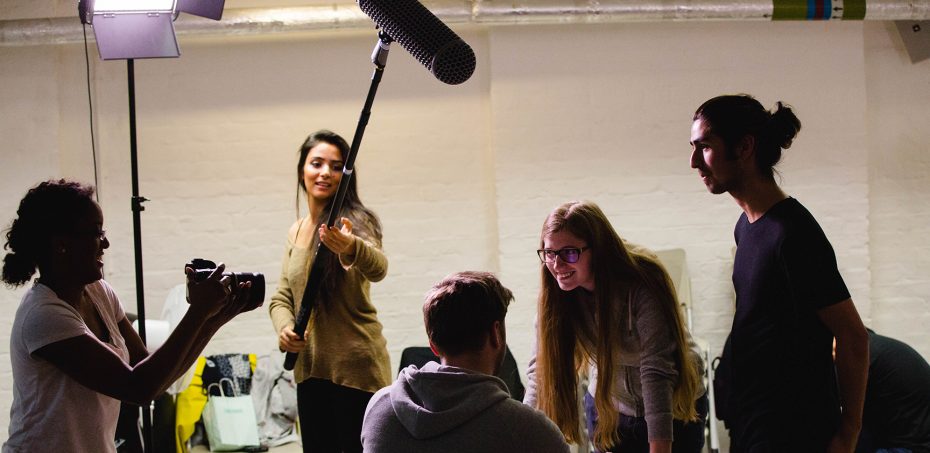
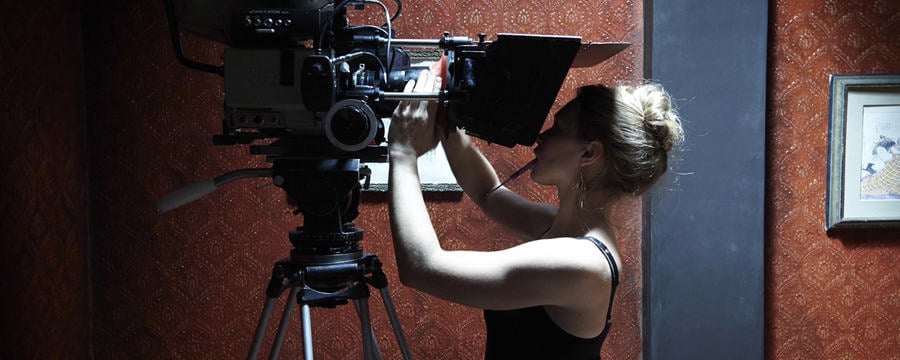
- Filming: The camera starts rolling! Scenes are shot according to the director’s vision and the script.
- Lighting & Camera Work: Cinematographers (DOPs) use advanced lighting and camera techniques to create the film’s look.
- Sound Recording: On-set microphones capture dialogues and ambient sounds.
- Acting & Direction: Actors perform, and the director ensures the right emotion and performance are captured.
- On-Set Challenges: Weather, time, and technical glitches can delay shoots — teamwork is key.
Output: Raw footage of all scenes, ready for editing.
Post-Production – Turning Raw Footage into Magic.
Now the raw material is transformed into the final movie we see on screen. This is one of the most creative and technical phases.
- Editing: Editors cut and combine footage to create the perfect sequence.
- Visual Effects (VFX): CGI and digital effects are added — explosions, creatures, futuristic cities, etc.
- Sound Design: Background music, sound effects, and audio mixing bring the movie to life.
- Voiceovers & Dubbing: Extra dialogues and narration are recorded.
- Color Grading: Adjusting colors, brightness, and tone to create the desired mood.
Output: The completed, polished version of the movie.
Marketing & Promotion – Creating Buzz.
Once the movie is ready, the focus shifts to attracting the audience!
- Trailers & Teasers: Short videos that create excitement online and in cinemas.
- Social Media Campaigns: Stars interact with fans via Instagram, TikTok, and YouTube.
- Press Tours & Interviews: Cast and crew promote the movie on talk shows and media events.
- Premiere Events: Red carpet screenings for critics and VIPs.
Goal: Build hype and awareness before the film’s release.
Distribution & Release – Time to Shine.
The final stage is delivering the movie to the audience.
- Theatrical Release: Traditional cinema release across countries.
- OTT & Streaming Platforms: Netflix, Amazon Prime, Disney+, and others release the film digitally.
- Post-Release Revenue: Includes TV rights, merchandise, and brand collaborations.
Result: The movie finally reaches millions of viewers worldwide.
Post-Release Analysis – The Final Verdict .
After release, studios analyze:
- Box Office Collection
- Audience & Critic Reviews
- Social Media Trends
- Award Nominations
These results determine the film’s success and sometimes lead to sequels or spin-offs!
Fun Fact: The Average Movie Takes 2–3 Years to Make.
From story development to release, a typical Hollywood film takes 24–36 months, while big-budget movies like Avatar or Avengers can take up to 5 years!
Modern Trends in Filmmaking (2025).
Virtual Production: LED walls replace green screens for realistic effects.
AI Editing: Artificial intelligence helps in automatic video editing and color correction.
Remote Collaboration: Directors and editors work globally using cloud-based tools.
Diversity in Casting: More inclusive representation across genres.