



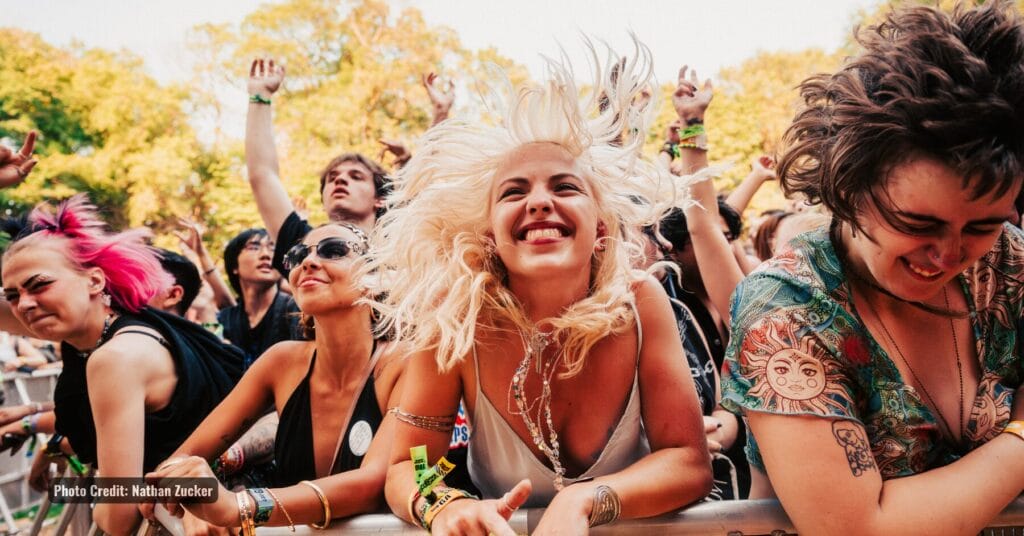
In the digital age, fans are no longer just viewers — they are creators, marketers, and influencers of modern entertainment. Whether it’s the Marvel fandom breaking box-office records or BTS ARMY trending hashtags worldwide, fan communities have become the heartbeat of today’s pop culture.
Let’s explore how these passionate fan groups are reshaping movies, music, and media in 2025.
The Rise of Digital Fandoms.
In the past, fans connected through magazines or TV interviews. Today, thanks to social media, fan communities live on platforms like Twitter (X), TikTok, Reddit, Discord, and Instagram.
These spaces allow millions of people worldwide to:
- Share memes, theories, and fan art
- Organize global streaming parties
- Trend hashtags to support artists
Fandoms are no longer local; they’re global movements connecting people beyond borders and languages.
Fandoms as Marketing Powerhouses.
In 2025, fan communities are a brand’s biggest asset. Studios and musicians now recognize that fandoms can:
- Boost box office sales
- Drive streaming numbers
- Create viral online trends
For example:
Marvel fans turn every movie release into a worldwide event.
BTS ARMY and Taylor Swift’s Swifties break streaming records with every new release.
Fans have become free digital marketers, promoting content with genuine passion.
The Social Media Revolution.
Social media has completely changed how entertainment spreads. Fans no longer wait for TV commercials — they create their own buzz.
Through platforms like X (Twitter), YouTube, and TikTok, fan communities:
- React instantly to teasers and trailers
- Create theories that go viral
- Defend their favorite artists from criticism
When fans unite online, even a small indie movie can become a global sensation overnight.
Fans as Co-Creators of Culture.
Fan art, fan fiction, and edits have turned fans into creative collaborators. Platforms like Wattpad, DeviantArt, and YouTube let them express love for their favorite stories.
Popular shows like Game of Thrones, Stranger Things, and Harry Potter inspired millions of fans to create alternate endings, fan theories, and even new characters.
In many cases, these creations influence official content — proving that fans are not just consumers; they’re part of the storytelling process.
Fandoms and Social Change.
Fan communities aren’t just about entertainment — they’re also a force for social good.
From charity drives to environmental awareness, fandoms raise millions of dollars and promote positive Example: The BTS ARMY has donated to UNICEF campaigns and disaster relief efforts worldwide.
Marvel and DC fans often organize blood donation drives and charity screenings.
Fandoms show that entertainment can unite people for a purpose beyond fun.
The Business Impact of Fandoms.
Media companies have started designing strategies around fan engagement.
Today, production houses:
- Track fan reactions using analytics
- Create fan-focused content (like spin-offs or extended universes)
- Host fan conventions like Comic-Con, KCON, and VidCon
These events generate billions in revenue and create an emotional bond between brands and audiences.
Fandom Diversity and Inclusivity.
Modern fan communities are breaking barriers of gender, race, and nationality.
From K-pop fans in Pakistan 🇵🇰 to anime lovers in Brazil 🇧🇷, entertainment is now a universal language.
Fandoms promote diversity, collaboration, and inclusivity — shaping a more connected and creative world.
The Future of Fan Culture (2025 and Beyond).
The next phase of fandom is immersive and interactive.
With the rise of Metaverse entertainment, fans can:
- Attend virtual concerts
- Interact with their idols’ avatars
- Join digital fan events in 3D spaces
In the future, fandoms won’t just watch entertainment — they’ll live inside it.