





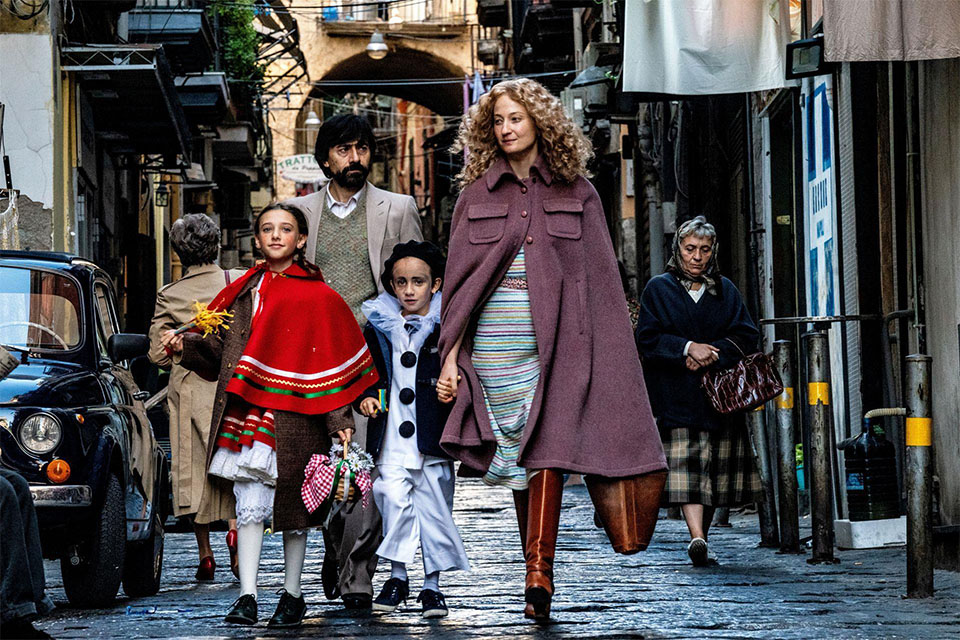
The Italian drama industry holds a special place in global entertainment, deeply rooted in centuries of cultural tradition while continuously evolving with modern filmmaking and television. From classical theater to contemporary TV series and cinema, Italy has long been a powerhouse of emotional storytelling, artistic excellence, and cinematic innovation.
Historical Roots of Italian Drama.
Italy’s dramatic tradition dates back to the Renaissance period, when theater flourished in cities like Florence, Venice, and Rome. Italian opera, commedia dell’arte, and stage drama laid the foundation for character-driven narratives and expressive performances that still influence drama worldwide.
In the early 20th century, Italy became a major force in cinema. After World War II, the rise of Italian Neorealism transformed global filmmaking. Directors began focusing on real-life struggles, ordinary people, and authentic locations, shaping a new form of dramatic realism that inspired generations of storytellers.
Evolution into Film and Television.
Over time, Italian drama expanded from theater into film and television, producing powerful movies and serialized dramas. Italian productions are widely known for:
- Deep emotional narratives
- Strong character development
- Social and cultural realism
- Artistic cinematography
- Meaningful dialogue
Modern Italian TV dramas now cover a wide range of genres, including crime, romance, historical epics, family dramas, and political thrillers. Many series have gained international audiences through global streaming platforms, helping Italian storytelling reach viewers around the world.
Key Themes in Italian Drama.
Italian dramas often reflect the heart of society. Common themes include:
- Family relationships and generational conflict
- Love, sacrifice, and personal struggle
- Social inequality and justice
- Tradition versus modern life
- Identity and cultural heritage
These themes resonate globally because they are deeply human and emotionally relatable.
The Role of Cinema in Italian Drama.
Italian cinema remains central to the drama industry. Filmmakers focus heavily on visual storytelling, realistic settings, and powerful performances. Italy also hosts prestigious film events, including international festivals that showcase dramatic works and support emerging talent.
Italian actors are admired for their natural performances and emotional depth, while directors are praised for blending realism with artistic beauty.
Global Influence and Recognition.
The Italian drama industry has significantly influenced world cinema. Many international directors draw inspiration from Italian storytelling techniques, especially in areas like:
- Character realism
- Minimalist dialogue
- Visual symbolism
- Social commentary
Today, Italian dramas are regularly featured on global platforms, attracting international students, filmmakers, and audiences interested in European storytelling styles.
Opportunities in the Italian Drama Industry.
Italy continues to invest in creative arts, offering opportunities for:
- Actors and performers
- Screenwriters and directors
- Film students and researchers
- International co-productions
With growing collaboration between Europe and global streaming services, the future of Italian drama looks promising, combining tradition with digital innovation.