





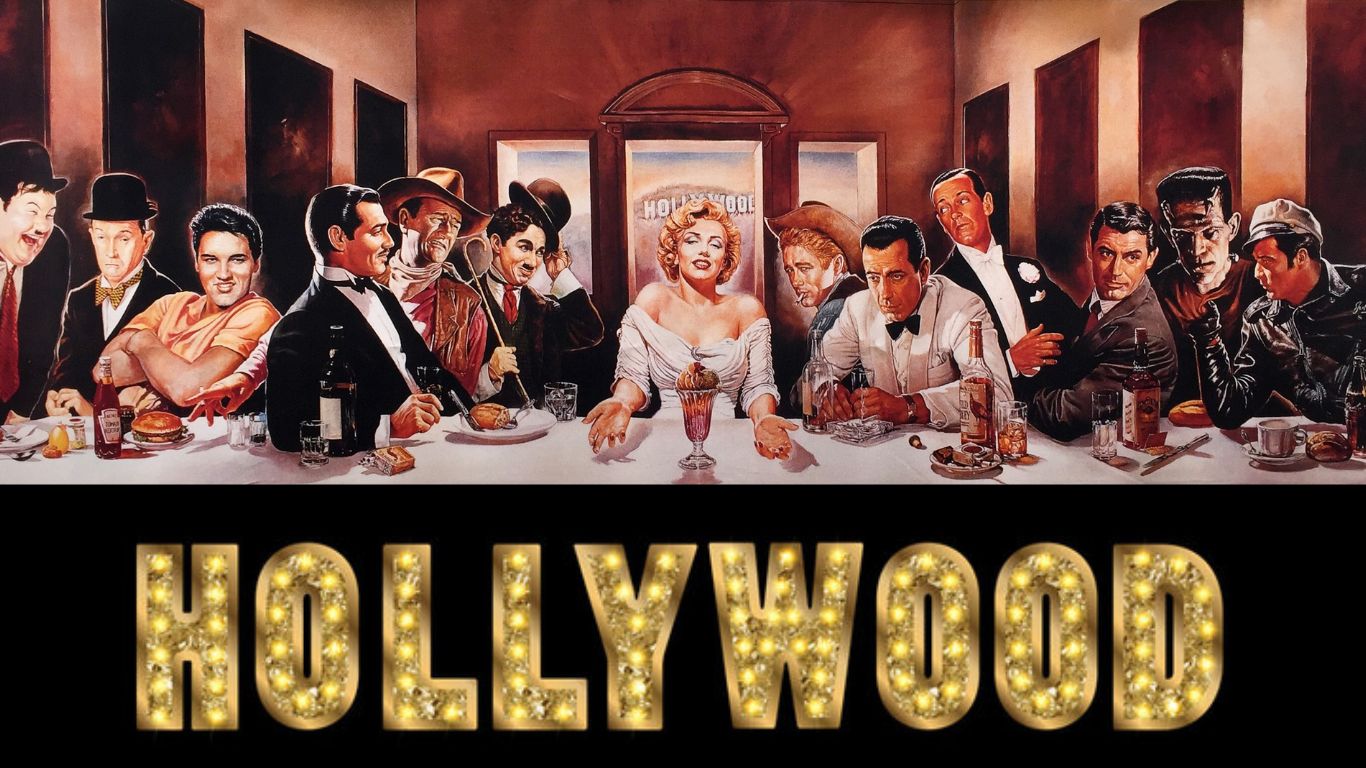
The American cinema film industry is widely regarded as the most influential entertainment industry in the world. Known for its creativity, technological innovation, and global cultural impact, American cinema has shaped storytelling, filmmaking techniques, and popular culture for more than a century. From classic black-and-white films to modern blockbuster franchises, the United States continues to lead the global film market.
Origins of American Cinema.
The American film industry began in the late 19th century when motion picture technology first emerged. Early filmmakers experimented with short silent films that fascinated audiences worldwide. By the early 1900s, film production rapidly expanded, eventually establishing Hollywood as the center of filmmaking.
Hollywood, located in Los Angeles, California, became synonymous with movie production. Studios, actors, directors, and producers gathered there, creating a structured film industry that would dominate global cinema.
The Golden Age of Hollywood.
The period between the 1920s and 1950s is often called the Golden Age of American Cinema. During this time, major studios produced iconic films across genres such as romance, drama, musicals, westerns, and film noir.
Large production companies controlled film distribution, actor contracts, and cinema screenings. Legendary filmmakers and actors gained worldwide fame, and American movies began reaching international audiences on a massive scale.
This era introduced storytelling standards, star systems, and cinematic techniques that are still used today.
Evolution into Modern Cinema.
As technology advanced, American cinema evolved dramatically. The transition from silent films to sound, followed by color filmmaking and digital effects, transformed the movie experience.
Modern American films now feature:
- Advanced visual effects (VFX)
- High-budget productions
- Global marketing strategies
- International casting and storytelling
- Streaming platform distribution
The industry produces hundreds of films annually, ranging from independent art films to large-scale blockbuster franchises.
Major Film Studios and Production Companies.
The success of American cinema is strongly connected to its powerful studios. Companies such as Warner Bros., Universal Pictures, Paramount Pictures, and Walt Disney Studios play a major role in producing and distributing films worldwide.
These studios invest billions of dollars annually into filmmaking, technology, marketing, and talent development.
Genres That Define American Cinema.
American films cover nearly every genre imaginable, including:
- Action and adventure
- Drama and romance
- Science fiction and fantasy
- Comedy and animation
- Horror and thriller
- Documentary and independent cinema
The diversity of genres allows American cinema to appeal to audiences of all ages and cultures.
Technological Innovation and Visual Effects.
One of the biggest strengths of the American film industry is its leadership in technology. Innovations such as CGI, motion capture, IMAX filming, and digital editing have revolutionized storytelling.
American studios constantly invest in research and development, pushing the boundaries of visual storytelling and cinematic realism.
Global Cultural Influence.
American cinema has become a major cultural export. Movies influence:
- Fashion trends
- Music styles
- Language and slang
- Social conversations
- Global entertainment standards
Hollywood films are distributed in almost every country, making American cinema a universal entertainment language.
The Rise of Streaming Platforms.
In recent years, digital streaming services have transformed how audiences watch films. Platforms such as Netflix, Amazon Prime Video, and Disney+ have expanded opportunities for filmmakers and increased global accessibility to American content.
Streaming has allowed independent creators to reach worldwide audiences without traditional cinema releases.
Economic Impact of the Industry.
The American film industry contributes billions of dollars to the economy each year through:
- Film production
- Tourism
- Employment opportunities
- Technology development
- International distribution
Millions of people work directly or indirectly within the industry, including actors, writers, technicians, editors, designers, and marketing professionals.
Future of American Cinema.
The future of American cinema looks promising as filmmakers embrace:
- Artificial intelligence in filmmaking
- Virtual production studios
- Diverse storytelling perspectives
- Global collaborations
- Interactive entertainment experiences
As audience preferences evolve, American cinema continues adapting while maintaining its leadership in global entertainment.